
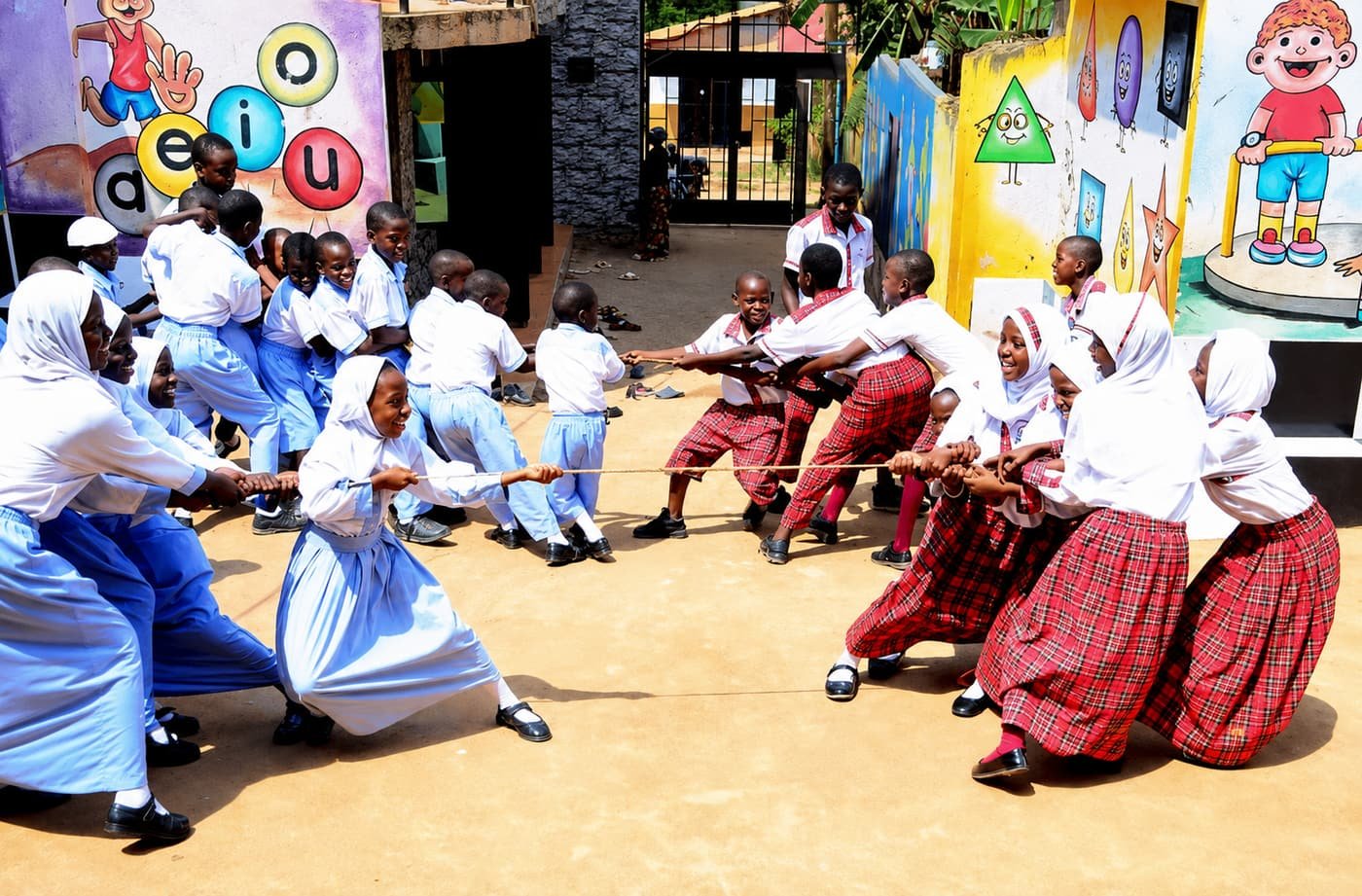
Confidence and self-discipline are often discussed separately, but in a growing child, they develop together. A child who trusts their own ability is more willing to persist through a difficult task, and a child who has practised persistence tends to grow more confident as a result. Understanding this connection helps parents and teachers support both at once.
Confidence Comes from Real Achievement
Genuine confidence is not built by constant praise alone — it is built by a child successfully doing something they once found difficult. Learning to tie a shoelace, finishing a page of sums, memorising a short Qur'an verse: each small achievement adds evidence to a child's sense of "I can do this."
Let Children Struggle a Little
It can be tempting to step in the moment a child struggles, especially for a caring parent. But a certain amount of productive struggle — attempting something difficult before receiving help — is where real learning and real confidence come from. The goal is to offer support without immediately solving the problem for them.
Self-Discipline Is a Skill, Not a Personality Trait
Some children find it easier than others to sit still, focus, or wait their turn, but self-discipline can be taught and practised at any starting point. Short, consistent routines — a set homework time, a clear bedtime, expectations around chores — give children regular opportunities to practise self-control in low-pressure situations.
Praise the Process, Not Just the Result
Praising effort ("you worked hard on that") rather than only outcomes ("you're so clever") teaches children that ability grows through effort. This mindset makes children more willing to attempt hard tasks later, since they associate difficulty with growth rather than failure.
Consistency at Home and School
When expectations around behaviour and effort are similar at home and at school, children experience less confusion and build these habits faster. Regular communication between parents and teachers helps keep this consistent.
At Etihad Islamic Primary School, we try to notice and nurture the small moments where a child's confidence grows, because those moments add up to a self-assured, capable learner.